

Blanching Machine, Pasteurization Machine
Products


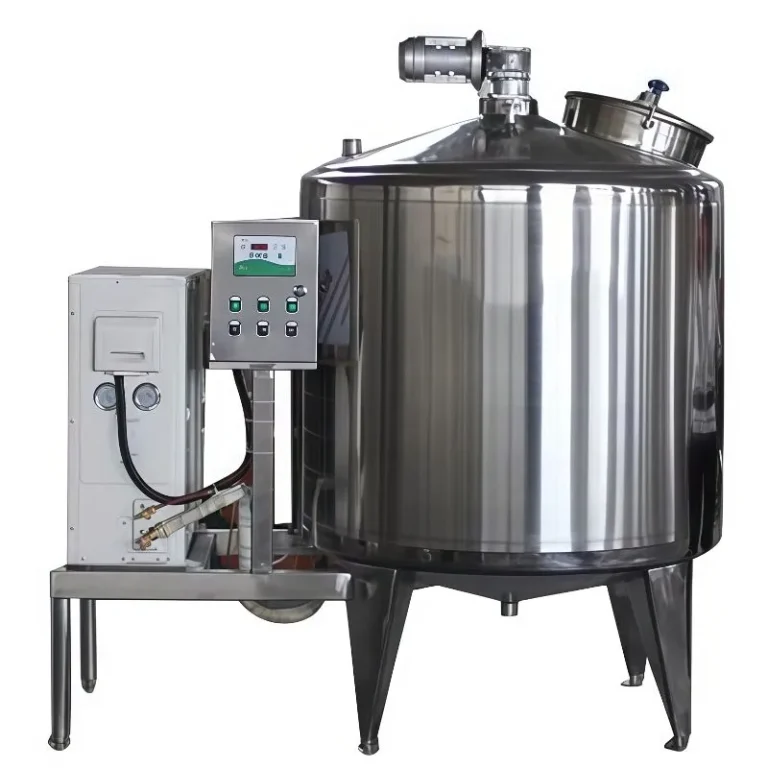
Blanching machines and pasteurization machines are core thermal processing equipment in modern food production lines. They directly influence product safety, nutritional retention, texture, color stability, and shelf life. At Matton, we design and manufacture industrial blanching and pasteurization systems that integrate seamlessly with upstream preparation and downstream cooling, freezing, or packaging processes.
Our systems are widely applied in fruit and vegetable processing lines, meat and seafood preparation, ready-meal production, and IQF or retort-based workflows. Built in Zhucheng, Shandong — a major hub for food machinery manufacturing — Matton equipment is engineered for process repeatability, sanitary compliance, and long-term operational reliability.
Understanding Blanching and Pasteurization: Functional Differences
Although both are thermal processes, blanching and pasteurization serve distinct roles in food manufacturing.
Blanching
Blanching is a short-duration heat treatment, typically using hot water or steam, applied before freezing, drying, or further processing. Its primary purpose is to:
-
Inactivate enzymes
-
Fix natural color
-
Reduce microbial load
-
Prepare products for downstream processing
Pasteurization
Pasteurization applies controlled heat for a defined time to destroy pathogenic microorganisms while preserving product quality. It is commonly used for:
-
Extending refrigerated shelf life
-
Ensuring food safety
-
Stabilizing packaged or unpackaged foods
Process Comparison Table
| Parameter | Blanching Machine | Pasteurization Machine |
|---|---|---|
| Primary goal | Enzyme inactivation | Microbial reduction |
| Typical temperature | 70–100°C | 60–95°C |
| Holding time | Seconds to minutes | Minutes to tens of minutes |
| Product state | Raw / semi-processed | Final or near-final product |
| Common downstream | IQF freezer, freeze dryer | Cooling, packaging, cold storage |
Industrial Blanching Machines — Engineering Design & Applications
Design Philosophy
Matton blanching machines are designed for uniform heat transfer, continuous throughput, and minimal product damage. Depending on the product and capacity requirement, systems can be configured as:
-
Hot water blanchers
-
Steam blanchers
-
Combined water–steam blanchers
Key engineering priorities include precise residence time control, even temperature distribution, and rapid discharge to cooling systems.
Typical Applications
Blanching machines are commonly used in:
-
Leafy vegetables (spinach, kale, lettuce)
-
Root vegetables (carrots, potatoes)
-
Fruits (berries, apples before drying)
-
Meat and poultry pre-treatment
-
Seafood preparation prior to freezing or drying
Core Technical Features
-
Stainless steel construction (304 or 316L)
-
Continuous belt or screw conveying
-
Adjustable blanching time
-
Multi-zone temperature control
-
Integrated water circulation and filtration
-
CIP-ready hygienic design
Blanching Machine Technical Parameters (Typical)
| Item | Specification Range |
|---|---|
| Capacity | 300 kg/h – 10,000 kg/h |
| Heating method | Steam / electric / thermal oil |
| Blanching medium | Water, steam, or combined |
| Residence time | 30 seconds – 10 minutes |
| Temperature accuracy | ±1°C |
| Material | SUS304 / SUS316L |
| Control system | PLC + touchscreen HMI |
Pasteurization Machines — Process Stability & Food Safety
Process Engineering Perspective
Pasteurization machines require tighter thermal control than blanchers because microbial lethality must be achieved without degrading sensory attributes. Matton pasteurization systems are engineered with:
-
Stable temperature holding sections
-
Accurate time–temperature correlation
-
Gentle product handling
-
Reliable data logging for audits
Configurations include:
-
Hot water bath pasteurizers
-
Spray-type pasteurizers
-
Tunnel pasteurization systems
-
Batch pasteurization tanks (small-scale)
Common Product Applications
Pasteurization machines are widely used for:
-
Fruit juices and beverages
-
Sauces and dressings
-
Ready-to-eat meals
-
Vacuum-packed meats
-
Seafood products
-
Dairy-based foods
Pasteurization System Capabilities
-
Multi-stage heating and cooling
-
Pressurized options for packaged products
-
Precise holding time control
-
Automated recipe management
-
Full batch traceability
-
Validation-ready data export
Pasteurization Machine Specifications (Typical)
| Item | Specification Range |
|---|---|
| Capacity | 500 kg/h – 20,000 kg/h |
| Process temperature | 60–95°C |
| Holding accuracy | ±0.5°C |
| Heating source | Steam / electric |
| Cooling | Water or air cooling |
| Control | PLC with data logging |
| Compliance | HACCP / GMP design |
Integration into Complete Food Processing Lines
Matton blanching and pasteurization machines are rarely standalone units. They are engineered as part of fully integrated food processing lines, including:
-
Washing and sorting
-
Cutting and sizing
-
Blanching or pasteurization
-
Cooling or drying
-
IQF freezing or freeze drying
-
Packaging
This systems-level approach reduces bottlenecks, minimizes manual handling, and improves overall line efficiency.
Typical Line Configuration Example
| Process Stage | Equipment |
|---|---|
| Raw material prep | Washer, sorter, cutter |
| Thermal treatment | Blanching machine or pasteurizer |
| Cooling | Water or air cooler |
| Preservation | IQF freezer / freeze dryer |
| Packaging | Weighing & packing system |
Control Systems, Automation & Data Management
Both blanching and pasteurization systems are equipped with industrial PLC control platforms, offering:
-
Recipe-based operation
-
Temperature and time curve control
-
Alarm and fault history
-
Operator access levels
-
Exportable batch records
These features are essential for process validation, third-party audits, and quality assurance documentation.
Energy Efficiency & Water Management
Thermal processing is energy-intensive. Matton systems incorporate:
-
Heat recovery loops
-
Insulated chambers and piping
-
Optimized water circulation
-
Optional water filtration and reuse modules
This reduces operating costs and supports sustainability targets without compromising process performance.
Factory Acceptance Testing (FAT) & Validation Support
Before shipment, Matton conducts structured FAT procedures:
-
Thermal performance verification
-
Control logic testing
-
Safety interlock validation
-
Documentation review
Third-party inspectors and customer representatives are welcome to witness FAT at our Zhucheng facility.
Maintenance, Spare Parts & Serviceability
Long-term uptime is a key concern for procurement teams. Our systems are designed for:
-
Easy access to wear components
-
Standardized spare parts
-
Clear maintenance schedules
-
Remote diagnostics support
Optional service agreements ensure predictable maintenance costs and rapid response.
Why Engineers and Buyers Choose Matton
-
In-house manufacturing control
-
Proven integration with freeze dryers, IQF freezers and retorts
-
Custom engineering for specific products
-
Transparent documentation and validation support
-
Stable long-term spare parts supply
Frequently Asked Questions (FAQs)
Q1: How do I choose between a blanching machine and a pasteurization machine?
A1: Blanching is typically used before freezing or drying to inactivate enzymes, while pasteurization is used to ensure food safety and extend shelf life. The choice depends on product type, target shelf life and downstream processing.
Q2: Can one machine perform both blanching and pasteurization?
A2: In some applications, a system can be configured for dual use, but dedicated machines generally provide better control and efficiency. Matton evaluates this during project design.
Q3: What materials are used for food-contact surfaces?
A3: All food-contact parts are manufactured from SUS304 or SUS316L stainless steel, with hygienic welds and drainable design.
Q4: How is temperature uniformity verified?
A4: Temperature sensors are positioned at critical points, and validation tests are performed during FAT to confirm uniform heat distribution and holding accuracy.
Q5: Can these machines be integrated into existing production lines?
A5: Yes. Matton regularly retrofits blanching and pasteurization systems into existing plants, adapting layout, controls and utilities as required.