

Food Processing Line
Products


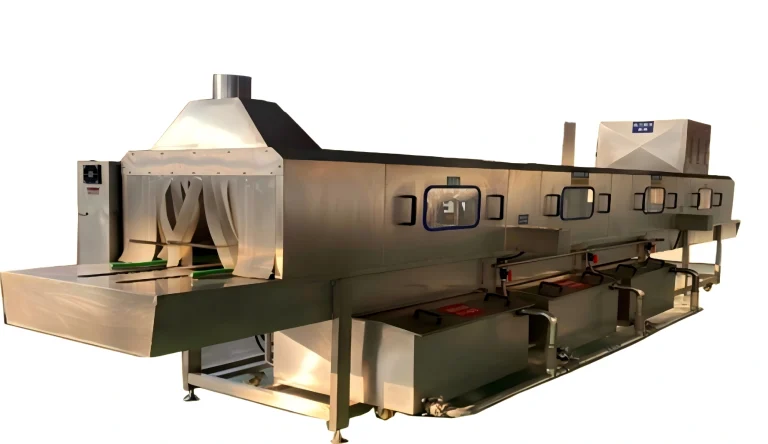
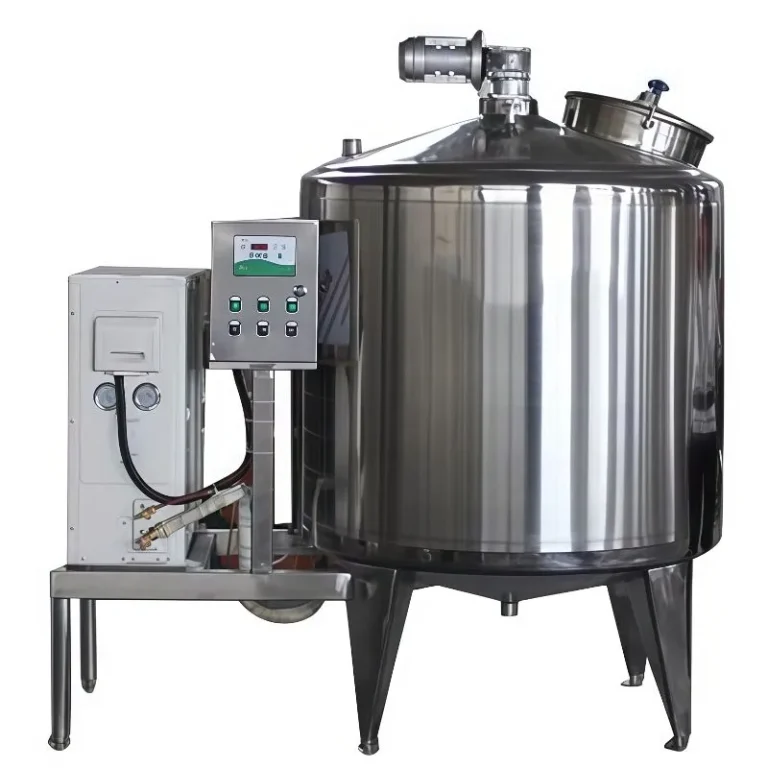
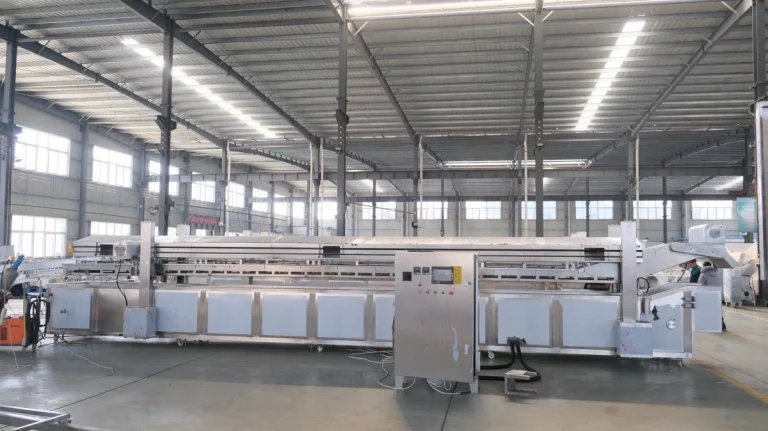
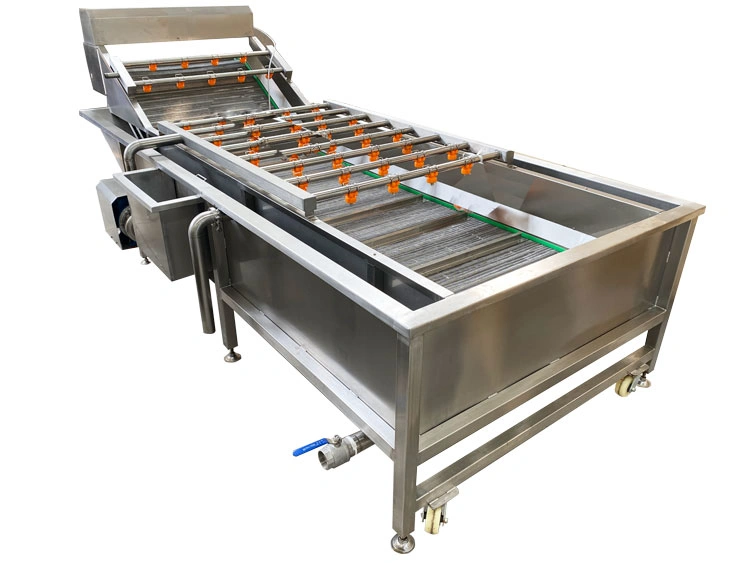
Matton provides end-to-end food processing line solutions engineered for reliability, hygiene and scalable throughput. From small pilot plants to fully automated industrial lines, our systems combine sanitary mechanical design, PLC/HMI automation, energy-efficient refrigeration and tested process controls to meet the needs of food technologists, production engineers and procurement teams. Whether your goal is high-throughput IQF freezing for berries, gentle blanching for vegetables, or integrated pasteurization and packaging for sauces and prepared foods, Matton delivers a tailored, FAT-tested turnkey food processing line with full documentation and after-sales support.
Executive summary (what engineers & procurement need to know)
-
Scope: design, manufacture and install turnkey processing lines for fruits, vegetables and meat — including washing, sorting, cutting, blanching, pasteurization, IQF, crate washing and packaging interfaces.
-
Key benefits: hygienic design for food safety, PLC automation for repeatable quality, modular layouts for phased expansion, energy-optimized refrigeration and full FAT/SAT documentation for procurement and validation.
-
Deliverables: engineering drawings, PLC logic, FAT reports, spare parts list and operator/maintenance training.
-
Primary keywords targeted: Food Processing Line, turnkey processing line, IQF quick freezer, blanching machine, pasteurization machine, hygienic design, PLC automation.
1. Typical Matton food processing line configurations
Below are standard line configurations commonly requested by customers. Each configuration is customizable by capacity, product type and level of automation.
| Line Type | Typical Throughput (kg/hr) | Core Equipment Included | Typical End Product |
|---|---|---|---|
| Fruit & Berry IQF Line | 500 – 5,000 | Washer → Dryer → IQF Tunnel Freezer → Vibratory Separator → Packaging | Individually Quick Frozen berries |
| Vegetable Processing Line | 1,000 – 10,000 | Crate Washer → Sorter → Cutter → Blancher → Cooling → IQF/Freezer | Frozen vegetables (blanched) |
| Meat Processing & Portioning | 500 – 6,000 | Deboning → Grinder → Mixer → Portioning → IQF | Minced/portion-controlled meat |
| Sauces & Ready Meals Line | 200 – 3,000 | Cooking → Pasteurizer → Filler → Seamer → Cooling | Shelf-stable or chilled prepared foods |
| Full Turnkey Plant | Variable | All above with conveyors, automation, QC, packing | Multi-product frozen/processed foods |
Note: Throughput ranges above are indicative. Matton performs a product-specific line study to determine footprint, utilities and refrigeration capacity.
2. Design principles: sanitary, scalable, serviceable
Matton designs food processing lines with three engineering priorities:
-
Hygienic & food-safe construction: stainless steel 316/304 contact surfaces, sanitary welds, rounded drainable geometry, easy-to-clean access panels and IP-rated electrical enclosures. These features support HACCP and GMP requirements and simplify cleaning-in-place (CIP) or manual clean-down procedures.
-
Modular, scalable layout: our conveyors, infeed systems and equipment modules are mechanically and electrically modular to allow phased capacity upgrades without major reworks. This reduces capital risk and allows customers to validate process steps on pilot modules before full-scale deployment.
-
Maintainability & uptime-focused engineering: critical components (vacuum pumps, frequency drives, refrigeration compressors) are arranged for quick access. We supply recommended spares lists, maintenance schedules and optional service contracts to maintain continuous production.
3. Core equipment descriptions (technical highlights)
Washing & Crate Washing
-
High-pressure, low-water-consumption crate washing systems with targeted nozzles, heated water options and multi-stage filtration. Sanitary drain designs and automated detergent dosing ensure consistent cleaning cycles.
Sorting & Grading
-
Optical sorting and mechanical grading options to separate by size, color or defects. Integration with PLC for automatic reject routing minimizes manual labor and improves yield.
Cutting, Dicing & Portioning
-
Servo-driven cutters and portioning systems that maintain cut-size tolerances with minimal product damage. CIP-capable housings and quick-release blades for food safety and fast changeover.
Blanching Machines
-
Continuous or batch blanching with precise temperature & residence time control. Steam or hot-water blanchers with energy recovery and rapid cooling interfaces to lock in color and texture.
Pasteurization Systems
-
Plate or tubular heat exchangers and retort-compatible pasteurizers with PID/PLC control to meet pasteurization curve targets and ensure microbial safety while preserving quality.
IQF Quick Freezers
-
Tunnel and spiral IQF freezers with high-velocity air distribution, adjustable air knives and variable belt speeds. Designed to deliver minimal crystal growth and superior product separation.
Packaging & Integration
-
Inline weighing, vertical form-fill-seal (VFFS) and tray-sealing options integrated with checkweighers and metal detectors. Packaging lines include automatic case packing and palletizing interfaces.
4. Typical technical specifications (example equipment)
| Equipment | Key Parameters | Typical Range |
|---|---|---|
| IQF Tunnel Freezer | Air velocity / belt speed / freezing zone length | 0.5–5 m/s; variable; 6–30 m |
| Blancher (continuous) | Temp / residence time / flow rate | 70–95°C; 30s–10min; 500–5,000 kg/hr |
| Pasteurizer | Heating method / holding time / flow | Steam/indirect; 15s–30min; 100–3,000 L/hr |
| Crate Washer | Water pressure / temp / cycles | 1–10 bar; ambient–75°C; 1–6 cycles/min |
| PLC/Automation | Control platform / remote access | Siemens/Allen-Bradley/Delta; VPN-enabled |
These values are illustrative. Matton engineers prepare precise specs during the quotation stage based on product thermal properties, desired shelf life and line takt time.
5. Process development, pilot testing & scale-up (why it matters)
Procurement teams and process engineers often underestimate the variability between lab results and commercial-scale performance. Matton provides FD recipe support, pilot trials and thermal mapping to de-risk scale-up. Our services include:
-
Material characterization (size distribution, moisture content, Brix, pH).
-
Thermal profiling and critical control point identification.
-
Pilot runs on representative equipment and sample analysis for texture, color and rehydration (for frozen products).
-
Energy and refrigeration load modeling to right-size compressors and evaporators.
Successful scale-up avoids common problems such as uneven blanching, freezer bottlenecks or packaging mismatch, and saves CAPEX by ensuring the line is right-sized from the start.
6. Automation & controls: PLC/HMI integration for repeatability
Matton uses industrial PLCs with scalable I/O and standardized HMI screens. Automation features we implement:
-
Recipe management and batch traceability (batch IDs, timestamps, operator login).
-
Alarm handling, historical data logging and OEE dashboards.
-
Remote diagnostics and optional secure VPN access for Matton service engineers.
-
Integration with MES/ERP for production reporting and traceability.
Automation reduces operator variability and provides the audit trail required by food safety standards and large-scale buyers.
7. Energy efficiency & refrigeration strategies
IQF and freezing operations are energy-intensive. Matton supports several strategies to lower total cost of ownership:
-
Selection between ammonia (NH₃) or CO₂ (R-744) refrigeration systems depending on plant philosophy, GWP targets and regulatory context.
-
Frequency-drive compressors and variable air handling to match cooling load.
-
Heat recovery from refrigeration condensers and blancher effluent to pre-heat CIP water or utility water.
-
Thermal insulation standards and optimized freezer door design to reduce ingress.
Energy modeling is provided during engineering to estimate kW/ton of refrigeration and annual operating costs.
8. Compliance, materials & QA documentation
Matton supports procurement and QA teams by delivering full compliance documentation, including:
-
Material certificates (EN/ASTM equivalents), weld records and NDT reports.
-
FAT (Factory Acceptance Test) protocols, witness inspection arrangements and video/photo records.
-
CIP validation support, hygienic design notes and GMP/HACCP mapping.
-
Electrical and machine safety documentation suitable for CE marking where applicable.
We prepare bespoke documentation packages for tenders, regulatory submissions and customer factory audits.
9. Example Bill of Materials & lead times
| Category | Example Items | Typical Lead Time (ex-works) |
|---|---|---|
| Mechanical | Stainless conveyors, frames, infeed modules | 4–8 weeks |
| Refrigeration | Compressors, evaporators, condensers (ammonia/CO₂) | 6–10 weeks |
| Electrical & Controls | PLC, VFDs, HMIs, sensors | 3–6 weeks |
| Instrumentation | Flow meters, temp probes, humidity sensors | 2–4 weeks |
| Spares Kit | Belts, gaskets, filters, sensors | 1–3 weeks |
Lead times depend on order scope, custom fabrication and spare parts availability; Matton provides a detailed delivery schedule in the quotation package.
10. Installation, FAT & after-sales support
Matton’s standard project delivery model includes:
-
Detailed engineering: layout, utility requirements, I/O list and wiring diagrams.
-
Factory Acceptance Test (FAT): conducted in our Zhucheng workshops with client witness or third-party inspection, including performance runs and documentation handover.
-
Site installation & commissioning: mechanical, refrigeration and electrical hookup, SAT (Site Acceptance Test) and process validation.
-
Training & handover: operator and maintenance training plus training materials and SOPs.
-
After-sales: preventive maintenance programs, spare parts supply and remote troubleshooting.
Matton can provide service level agreements (SLAs) tailored for response time, stocked parts and periodic audits.
11. Case study snapshots (anonymized for confidentiality)
Frozen Vegetables Line — 2,500 kg/hr
-
Delivered complete line including blancher, IQF tunnel, vibratory separators and packing interface. Achieved color retention targets and reduced energy consumption via heat recovery.
IQF Berries Pilot to Production
-
Performed pilot trials and developed freezing profiles to minimize cellular rupture. Scaled to 600 kg/hr production line with documented rehydration performance meeting buyer specs.
(Full case studies, performance charts and FAT reports are provided on request to qualified buyers under NDA.)
12. Cost drivers & procurement checklist
Key cost drivers to consider during procurement:
-
Throughput and uptime requirements.
-
Degree of automation and PLC/MES integration.
-
Refrigeration type (ammonia vs CO₂) and local regulatory constraints.
-
Hygienic finishes, materials and certification needs.
-
Scope of FAT, witness inspections and spare parts inventory.
Procurement checklist (short):
-
Confirm target throughput and product SKUs.
-
Define acceptance criteria and FAT plan.
-
Agree on documentation package required (material certs, weld records, calibration).
-
Clarify warranty, spare parts and local support expectations.
-
Schedule pilot runs if product is novel or high-value.
13. Tables for quick reference
Typical Equipment Footprint Estimates
| Throughput (kg/hr) | Approx. Floor Area (m²) | Typical Modules |
|---|---|---|
| < 500 | 20–60 | Pilot washer, small IQF, bench pack |
| 500–2,000 | 60–200 | Full washer, cutter, blancher, IQF |
| 2,000–5,000 | 200–600 | Multi-lane IQF, automated packing |
| >5,000 | 600+ | Spiral freezers, bulk handling, palletizing |
QA & Documentation Package (included)
| Document | Purpose |
|---|---|
| FAT Report | Verify performance before shipment |
| Material Certificates | Traceability for food-contact parts |
| Weld Records & NDT | Structural integrity evidence |
| Electrical Schematics | Installation & maintenance |
| SOPs & Training Materials | Operational continuity |
14. Why choose Matton for your food processing line?
-
End-to-end capability: engineering, fabrication, automation and commissioning from Zhucheng workshops.
-
OEM flexibility: designs tailored to product, throughput and sanitary requirements.
-
Compliance-ready: FAT documentation, material traceability and hygienic construction.
-
Service & R&D: pilot testing, FD recipes and process development support for smooth scale-up.
-
Global export experience: export packaging, documentation and logistics support.
FAQs
Q1: How does Matton determine the right IQF freezer size for my product?
A1: We begin with a product assessment (size, shape, moisture, sugar content), target throughput and acceptable residence time. Using thermal modeling and pilot trials (if required), we size the freezer length, air velocity and refrigeration capacity to achieve the required freezing curve while minimizing crystal growth and achieving product separation.
Q2: Can Matton integrate my existing upstream or downstream equipment into a new processing line?
A2: Yes. Matton specializes in modular integration. We perform site surveys, interface checks (mechanical, electrical, control signals) and design adapter stations or conveyors so the new modules operate seamlessly with existing equipment.
Q3: What refrigeration options are available and which should I choose?
A3: Matton offers ammonia (NH₃) and CO₂ (R-744) refrigeration systems. Ammonia is highly efficient for very large cooling loads; CO₂ is attractive where low-GWP refrigerants are preferred or where ammonia regulatory constraints exist. We assist with lifecycle cost modeling and compliance assessment to recommend the appropriate solution.
Q4: What validation and documentation do you provide for procurement and regulatory approvals?
A4: For each project Matton supplies an FAT report, material certificates, weld records, calibration certificates, electrical schematics and SOPs. We can also host third-party inspections and provide witness test schedules to align with buyer validation requirements.
Q5: How do you minimize downtime and maintain high OEE for processing lines?
A5: We design for maintainability (easy access to critical parts), supply recommended spares and preventive maintenance schedules, and offer remote diagnostics. Optional service contracts with guaranteed response times and stocked parts kits further reduce MTTR and protect throughput.